Common Causes of Concrete Foundation Damage
To address common causes of concrete foundation damage, local contractors can assess issues like soil movement and water intrusion to provide effective repair solutions.
Understanding the common causes of concrete foundation damage is essential for property owners seeking to protect their investments and maintain structural integrity. Whether you're noticing cracks, uneven floors, or other signs of foundation issues, recognizing the underlying factors can help you take proactive steps. Local contractors who specialize in foundation repair often see these causes firsthand and can provide insights into how environmental conditions, soil movement, and water management may impact your property.
Exploring these causes not only helps in identifying potential problems early but also highlights the importance of professional assessment and repair services. Local service providers are equipped to evaluate the specific conditions affecting your foundation and recommend appropriate solutions. Keeping informed about what leads to foundation damage can empower property owners to make better decisions about maintenance and repairs, ensuring long-term stability for their homes or businesses.
- homeowners noticing cracks or shifting in their foundation may need foundation repair services, which local contractors approach by assessing soil stability and addressing underlying issues. - signs of water intrusion or excessive moisture around a foundation can prompt urgent repair work, with local service providers implementing drainage solutions and waterproofing methods. - when uneven or sagging floors are observed, local pros often evaluate the foundation’s integrity and perform stabilization or underpinning as needed. - after experiencing significant weather events or flooding, property owners may seek foundation repair to prevent further damage, with local contractors focusing on moisture control and structural reinforcement. - persistent or recurring foundation cracks can indicate ongoing settlement problems, prompting local service providers to perform detailed inspections and tailored repair strategies.
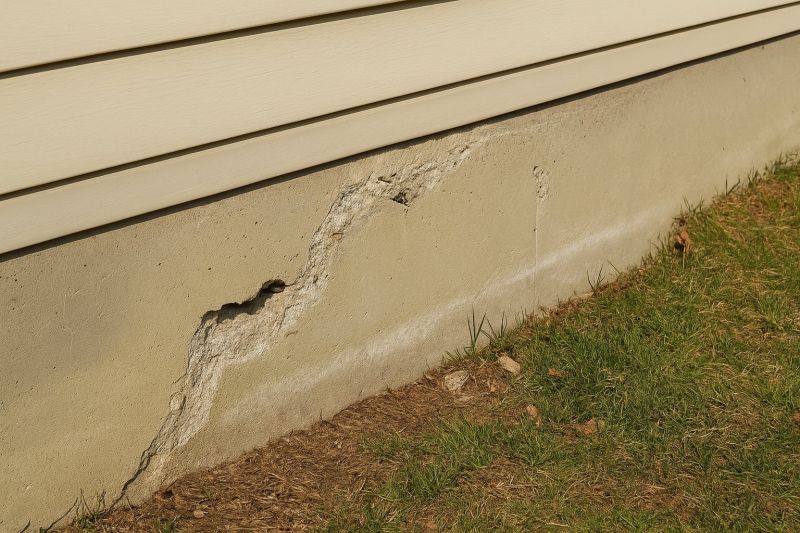
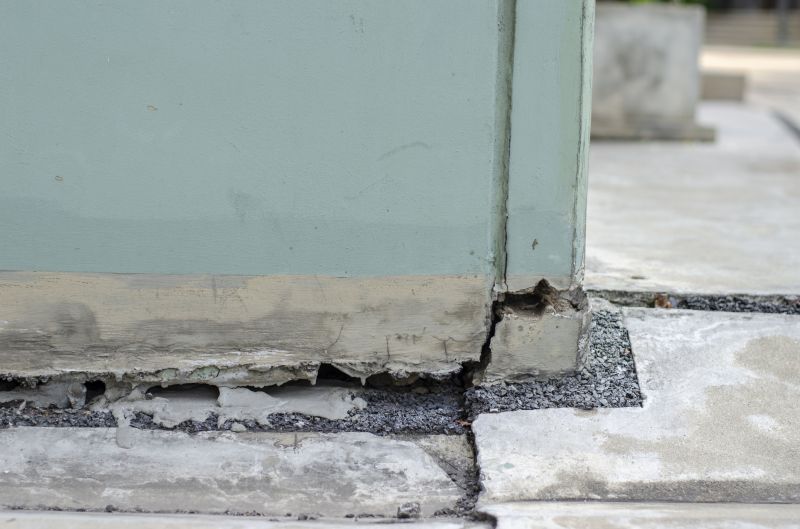
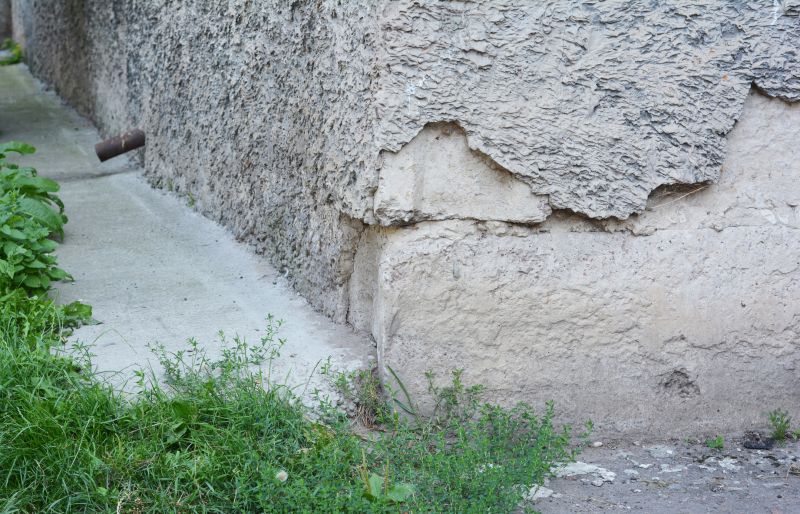
Understanding common causes of concrete foundation damage is essential for homeowners who notice cracks, uneven floors, or other signs of foundation issues. These problems often stem from a combination of environmental factors and soil conditions that exert pressure on the foundation over time. When searching for this topic, many people are seeking to identify why their foundation might be deteriorating and how to prevent further damage. Recognizing these causes helps homeowners better plan for repairs and maintenance, and it highlights the importance of consulting experienced local contractors who can assess the specific conditions affecting a property.
One of the primary factors behind foundation damage is soil movement, which can be caused by expanding or contracting soils. In regions with clay-rich soil, moisture fluctuations lead to swelling when wet and shrinking when dry, putting stress on the concrete. Poor drainage around a property can exacerbate this issue, as water pooling near the foundation accelerates soil movement. Additionally, water leaks from plumbing or irrigation systems can undermine the stability of the soil beneath the foundation, leading to settlement or shifting. These problems are especially common in properties with inadequate drainage systems or those built on expansive soils, making it crucial to work with local service providers who understand the local soil and drainage challenges.
Another common cause of concrete foundation damage involves structural overload or improper construction practices. Foundations that are not designed to support the weight of the building or that have been poorly constructed may develop cracks or settle unevenly over time. Heavy landscaping, such as large trees with extensive root systems close to the foundation, can also cause damage by exerting upward or downward pressure on the concrete. In some cases, changes in the landscape or additions to the property can alter the load distribution, leading to stress on the foundation. Property owners dealing with these issues often seek the expertise of local contractors who can evaluate the structural integrity and recommend appropriate repair or reinforcement strategies.
Environmental factors like temperature extremes and freeze-thaw cycles also contribute to foundation deterioration. When water within the concrete freezes, it expands, creating internal stresses that can cause cracking or spalling. Repeated cycles of freezing and thawing weaken the concrete over time, especially if proper drainage or insulation is lacking. Additionally, prolonged exposure to moisture can lead to corrosion of reinforcement bars within the concrete, further compromising the foundation’s strength. These issues are more prevalent in regions with harsh winters, and local foundation repair professionals are equipped to identify and address damage caused by environmental stressors. They can recommend solutions that mitigate ongoing damage and help preserve the stability of the property’s foundation.
Foundation waterproofing projects involve similar planning and waterproofing techniques used to prevent water damage that can cause foundation cracking and deterioration.
Drainage system installations require understanding soil conditions and water flow management, which are essential skills in addressing common causes of concrete foundation damage.
Soil stabilization services focus on soil assessment and treatment methods that help prevent shifting and settling, key factors in foundation integrity.
Retaining wall construction involves site evaluation and structural support planning, paralleling the skills needed to repair foundation issues caused by soil movement.
Concrete slab leveling projects require expertise in soil conditions and concrete work, directly related to addressing foundation settlement problems.
Structural repair services involve assessing and reinforcing building components, which shares techniques used to fix damage from foundation movement and cracking.
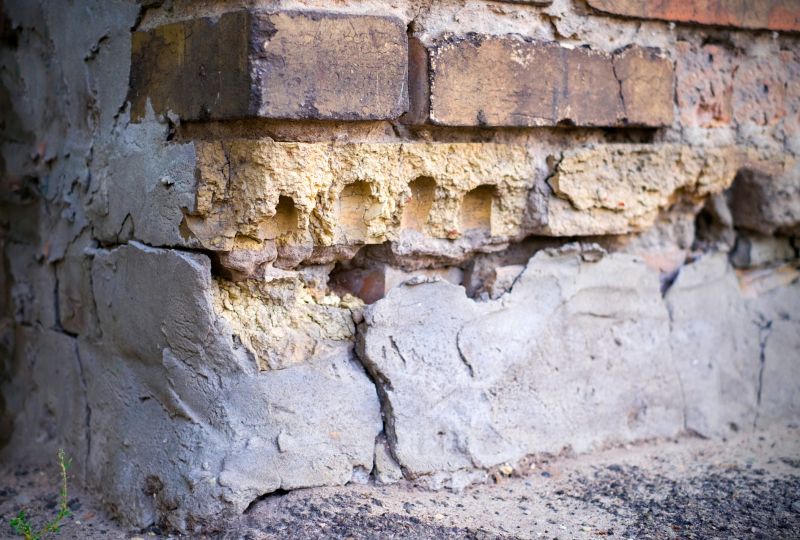
When evaluating service providers for foundation damage repair, it is important to consider their experience with similar projects. Local contractors who have handled cases involving common causes of concrete foundation damage tend to have a better understanding of the specific issues that can arise and the most effective repair strategies. Asking about their past work on comparable foundations can provide insight into their familiarity with the unique challenges presented by different soil types, environmental conditions, and foundation designs. This experience can contribute to more accurate assessments and appropriate solutions tailored to the homeowner’s situation.
Clear written expectations are a crucial aspect of choosing a reliable foundation repair service. A reputable service provider should be able to provide detailed descriptions of the scope of work, the methods they plan to use, and the materials involved. This transparency helps ensure that homeowners understand what to expect and can compare proposals effectively. When reviewing options, it’s also helpful to seek out providers who can offer reputable references or examples of completed projects, demonstrating their ability to deliver consistent results. Good communication throughout the process can prevent misunderstandings and ensure that all parties are aligned on the repair approach.
Effective communication and reputation are key factors when selecting local contractors for foundation damage repair. Service providers who prioritize clear, timely communication tend to be more responsive and easier to work with, which can make the entire repair process smoother. It is beneficial to inquire about how they handle questions or concerns during and after the project, as well as their approach to explaining technical aspects in understandable terms. Reputable local pros often have established relationships within the community and can provide references or testimonials that speak to their professionalism and reliability. Taking these steps can help homeowners feel confident in their choice of a service provider capable of addressing foundation issues caused by common factors.
Property owners often search for common causes of concrete foundation damage when they are planning practical projects around their homes and businesses. Local pros provide Foundation Damage Repair services for everyday jobs and straightforward project options.
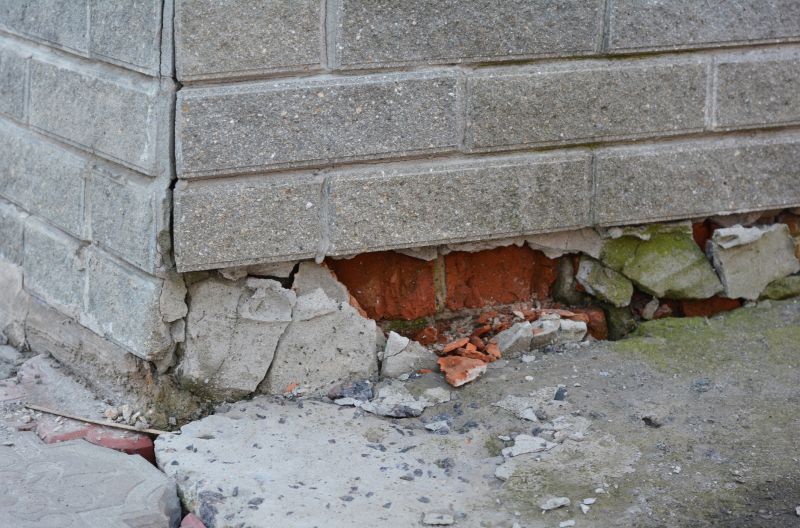
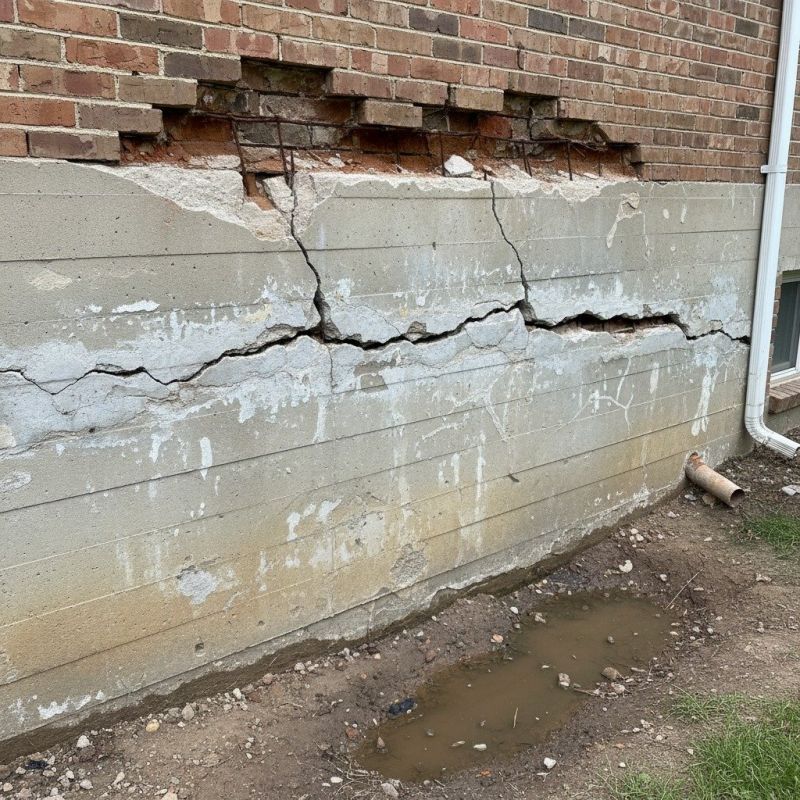
Understanding the common causes of concrete foundation damage is essential for property owners aiming to preserve the stability of their homes. In many cases, issues arise from natural shifts in the soil beneath the foundation, especially if the ground experiences frequent moisture changes due to heavy rainfall or drought conditions. Poor drainage around the property can also lead to water pooling near the foundation, increasing the risk of cracks and settling over time. Additionally, improper construction practices or the use of substandard materials can contribute to early deterioration, making it important for property owners to recognize these factors early on.
Property owners in the local area often seek foundation damage repair services when they notice signs like uneven floors, cracking walls, or gaps around door frames. These symptoms can stem from the same everyday causes, such as soil movement or water infiltration, which weaken the foundation’s integrity. Local contractors are equipped to evaluate these issues and recommend appropriate repair solutions. By addressing the root causes of foundation damage promptly, property owners can help protect their investments and ensure the long-term stability of their homes.
What are common causes of concrete foundation damage? Common causes include soil movement, water infiltration, poor drainage, and improper construction practices, which can lead to cracking, settling, or shifting of the foundation. Local contractors experienced in foundation repair can identify and address these issues effectively.
How does soil movement contribute to foundation damage? Soil movement, such as expansion or contraction due to moisture changes, can exert pressure on the foundation, causing cracks or uneven settling. Skilled service providers can evaluate soil conditions and recommend appropriate repair solutions.
In what ways does water infiltration cause foundation problems? Excess water from leaks, poor drainage, or high groundwater levels can weaken the soil supporting the foundation, leading to erosion or shifting. Local foundation repair specialists can implement waterproofing and drainage improvements to prevent further damage.
Can improper construction practices lead to foundation damage? Yes, inadequate foundation design, poor soil compaction, or use of substandard materials during construction can result in vulnerabilities that cause cracking or settling over time. Experienced local contractors can assess and repair these issues to restore stability.
What role does poor drainage play in foundation damage? Poor drainage allows water to accumulate around the foundation, increasing soil moisture and pressure, which can cause movement or cracking. Foundation repair experts can install proper drainage systems to protect the structure.
Soil movement and poor drainage can cause shifting and settling of a concrete foundation, so property owners might consider grading and drainage improvements with local contractors.
Heavy loads and structural overloads can stress the foundation, prompting property owners to seek foundation reinforcement or repair services from nearby specialists.
Tree roots and vegetation can exert pressure on foundation walls; property owners may work with local pros to remove or manage invasive roots around the property.
Frost heave and temperature fluctuations can lead to cracks and movement, encouraging property owners to explore insulation and foundation stabilization options with local service providers.
If you are thinking about common causes of concrete foundation damage for a property, this guide is meant to help you understand this topic, the typical project types, and how different options might fit your plans.
When you are ready, you can use the quote form on this page to share a few details about your project. From there, local pros can review the basics and follow up with options that match what you have in mind.